
On Dutiful Soldiering
A Memorial Day Meditation
“He is no fool who gives what he cannot keep to gain what he cannot lose.”
Jim Elliot (1927–1956)
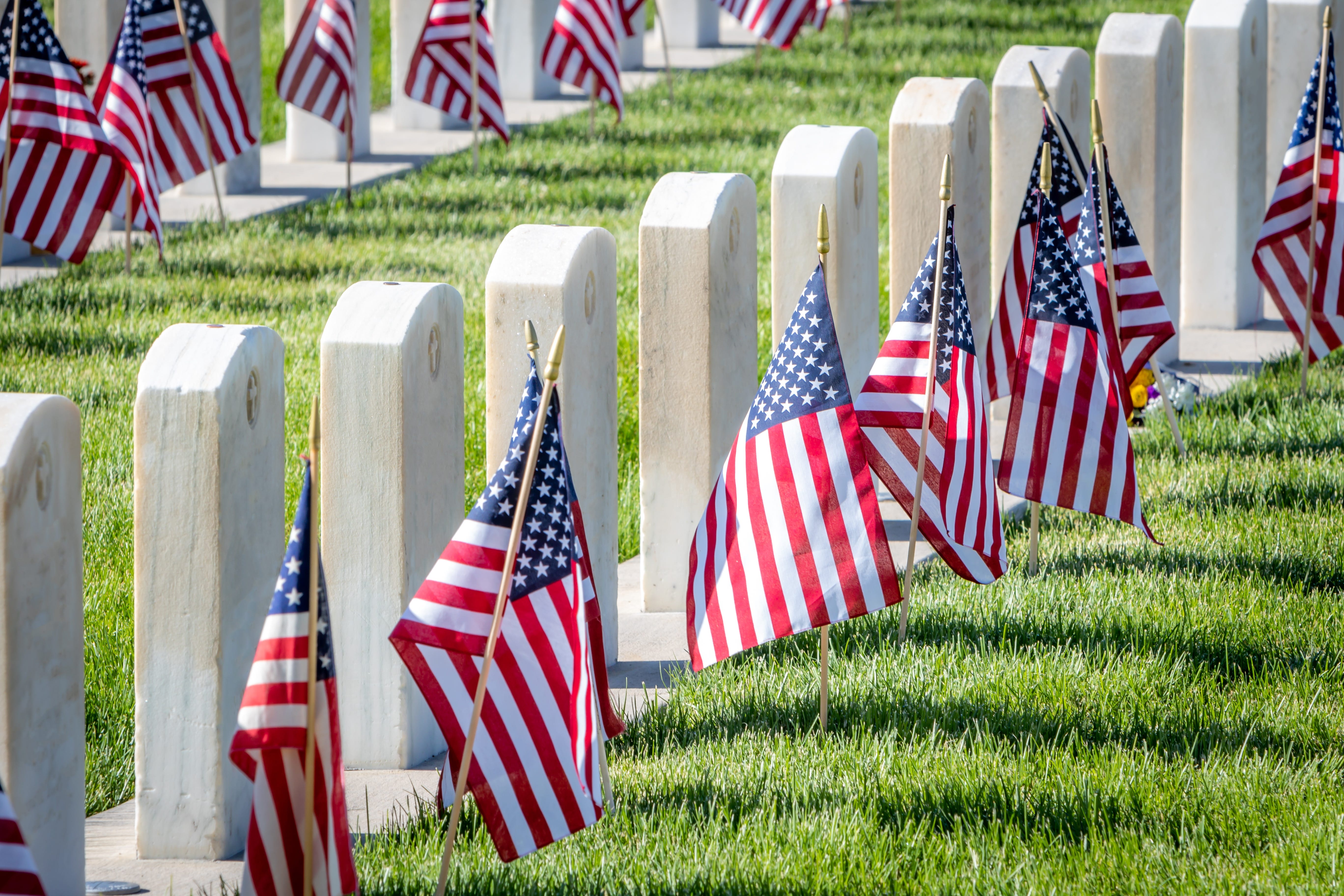
Somewhere in a national cemetery today, a row of white headstones stands in the kind of order only the military understands, each one marking a person who, at some point, decided that something mattered more than their own survival. We don’t always know their names; we don’t always know their wars. But we know they went, and we know they didn’t come back.
That kind of commitment has a name. It’s called duty.
Ask any soldier who the most dangerous fellow soldier to fight beside is, and he’ll tell you: the one with little sense of duty. Because it is duty—to something or someone other than himself—that keeps a man from turning and running when the going gets hard. No one wants to go to war, but if you must, you hope to go with others who share that same commitment to something beyond themselves. Your life may depend on it.
Being dutiful is the mark of a good soldier. The Bible—which too many people mistakenly think has little to say about such things—describes a good soldier as one who “doesn’t get entangled in civilian pursuits, since his aim is to please the one who enlisted him” (2 Timothy 2:4).
We read in Matthew 8:5–13 of Jesus’ encounter with a Roman centurion who asks the Lord to heal his servant. The centurion’s request is remarkable not just for its humility but for its logic:
“Lord, I am not worthy to have you come under my roof, but only say the word, and my servant will be healed. For I too am a man under authority, with soldiers under me. And I say to one, ‘Go,’ and he goes, and to another, ‘Come,’ and he comes.”
The centurion trusts Christ’s authority because he understands authority; he lives inside its structure every day. He is both under command and in command, and so he recognizes in Jesus something he already knows to be real: that true power doesn’t need to announce itself; it just acts. Matthew records that Jesus marveled at his faith—and in the Gospels, Jesus doesn’t marvel often.
The ultimate example of duty, of course, is Jesus himself. Philippians 2 puts it plainly:
“…being in very nature God, he did not consider equality with God something to be grasped; rather, he made himself nothing, taking the very nature of a servant, being made in human likeness. And being found in appearance as a man, he humbled himself by becoming obedient to death—even death on a cross.”
The familiar military narrative of service and sacrifice only makes full sense in light of this. “Greater love has no one than this, that he lay down his life for his friends” (John 15:13) is not just a Memorial Day sentiment etched on monuments. It is the biblical truth that gives sacrificial service its deepest meaning because it was done first, and perfectly, by the one those soldiers were made in the image of, whether they acknowledged it or not.
So today we remember the dead and their dutiful soldiering. We honor their service and their sacrifice—offered not for themselves, but for something and someone beyond themselves. We are right to gather and thank them for it.
And as we do, those of us still living (particularly as Christians) are reminded of our own orders: to love and proclaim Christ’s mercy and grace to one another and the world around us. The war is different; the cost is different. But the duty—to something greater than ourselves, to the One who enlisted us—is the same.
May your Memorial Day hold meaning…today and always.
Thank you Craig!
That last sentence, “But the duty—to something greater than ourselves, to the One who enlisted us, is the same” is a refreshing reminder today and every day.